
Project Summary
Client: City of Cape Town
Role: Lead UX Designer
Scope: UX/UI Design, Information Architecture, Accessibility, Service Design, User Research, Scaleable Design system
Outcome: Silver Loerie Award Winner – Service Design
URL: www.capetown.gov.za
Challenge
The City of Cape Town’s original website was outdated, fragmented, and overwhelming, offering more than 6,000 unstructured pages with inconsistent content, broken navigation, and limited accessibility. Citizens struggled to find simple information like bill payments, service disruptions, or permit applications. The digital experience failed to represent the city’s innovation and diversity, resulting in frustration, high bounce rates, and low trust.

Approach
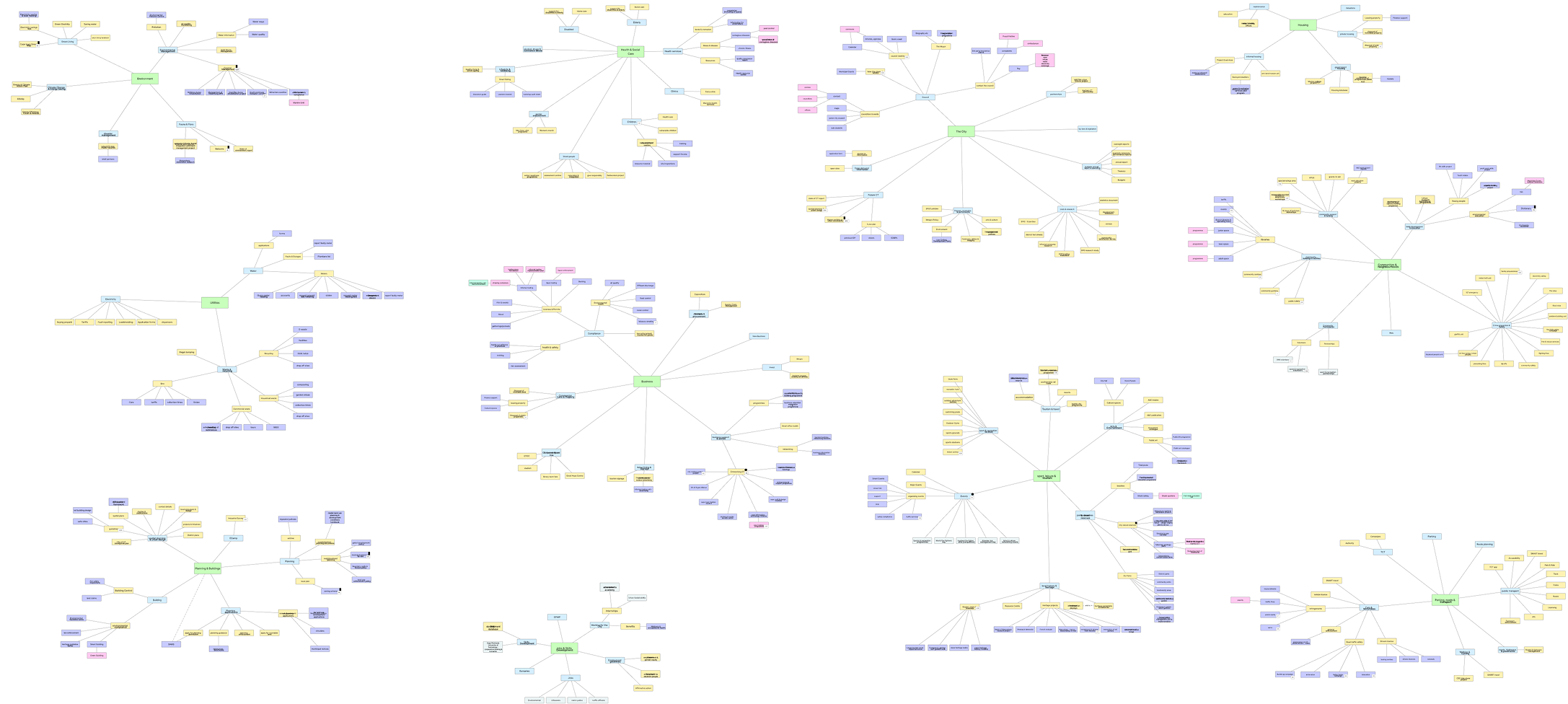
We set out to redesign the city’s digital presence from the ground up, placing human experience at the center. Our process began with a deep information architecture audit, followed by user journey mapping across residents, visitors, and businesses. Using large-scale UX mapping, we identified key pain points and rebuilt the site’s taxonomy to simplify discovery and align with real citizen needs.
Through multiple rounds of user testing, content prototyping, and accessibility validation, we created a structure that was intuitive, responsive, and service-oriented. The design direction focused on clarity, readability, and inclusivity — using bold typography, a simplified color palette, and clear iconography to guide interaction.
Design Solution
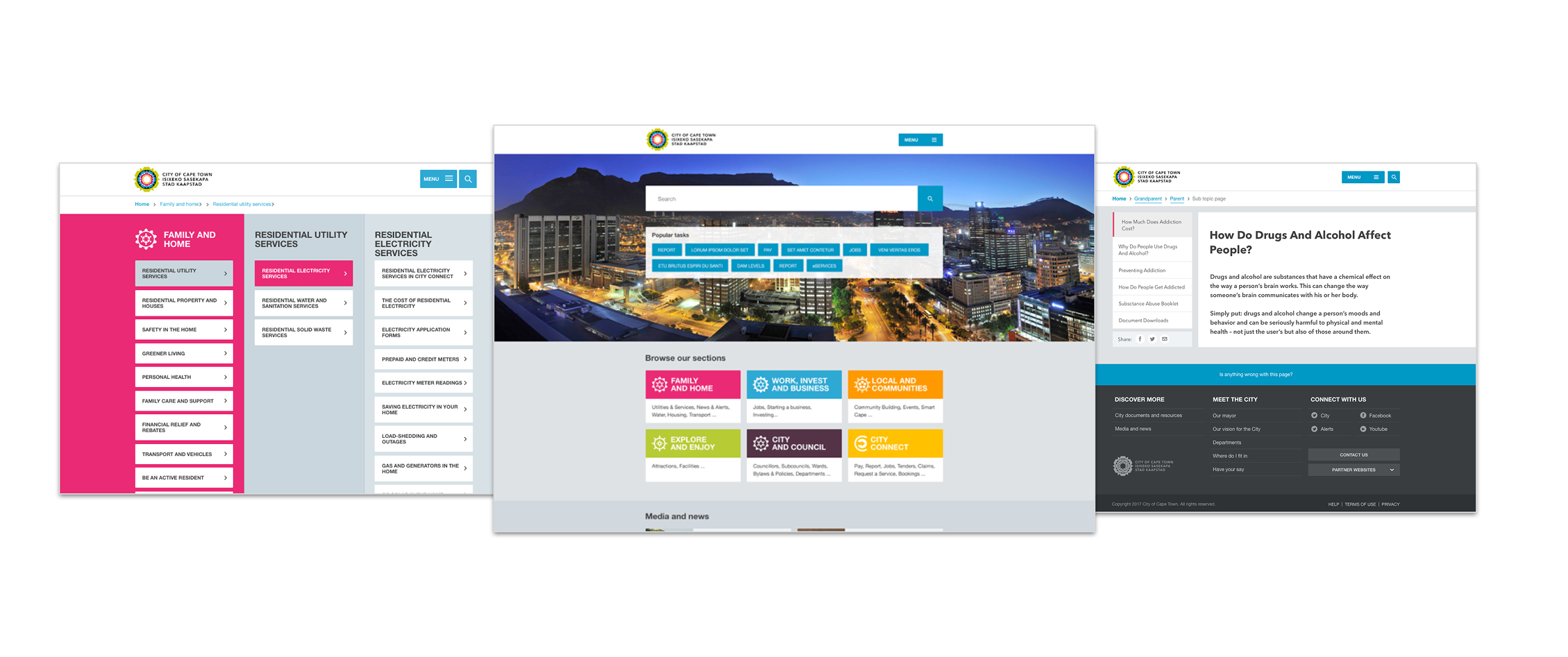
The new capetown.gov.za became a citizen-first digital platform, merging usability and visual storytelling.
Streamlined service categories (Pay, Apply, Contact, Discover) replaced deep menu hierarchies.
Clear call-to-action pathways simplified essential services like payments and reporting.
Responsive design ensured accessibility across mobile and low-bandwidth environments.
The refreshed visual identity brought energy, optimism, and unity a digital reflection of Cape Town’s people and progress.
Impact
The redesigned platform transformed how residents engage with the city. It became a benchmark for digital government service design in South Africa, improving accessibility, trust, and engagement metrics across all key service categories. The work earned the project a Silver Loerie Award, for Service Design, recognising its innovation and impact on public-sector experience.